
1507 Queen Ave N. Ste 202
Seattle, WA 98109

Blog
Prime HOA Management WA Blog
Learn more about hoa management services in our blog!

September is an important time for Seattle HOA boards to look closely at gutters, downspouts, drains, and other water-management systems. Once fall rain becomes more consistent, small drainage problems can quickly turn into overflowing gutters, standing water, damaged siding, or moisture entering areas where it does not belong.

Electric vehicles are becoming more common throughout Seattle, and HOA boards are increasingly receiving requests from residents who want charging stations installed at home. These requests can create questions about parking spaces, electrical capacity, common areas, insurance, costs, and architectural approval.

Seattle’s rainy climate can be hard on condominium and HOA buildings. Moisture, wind, seasonal storms, and aging materials can slowly wear down the building envelope, which includes the exterior systems that help keep water out. When small issues are missed, they can become expensive repairs that place pressure on reserves and may lead to special assessments.
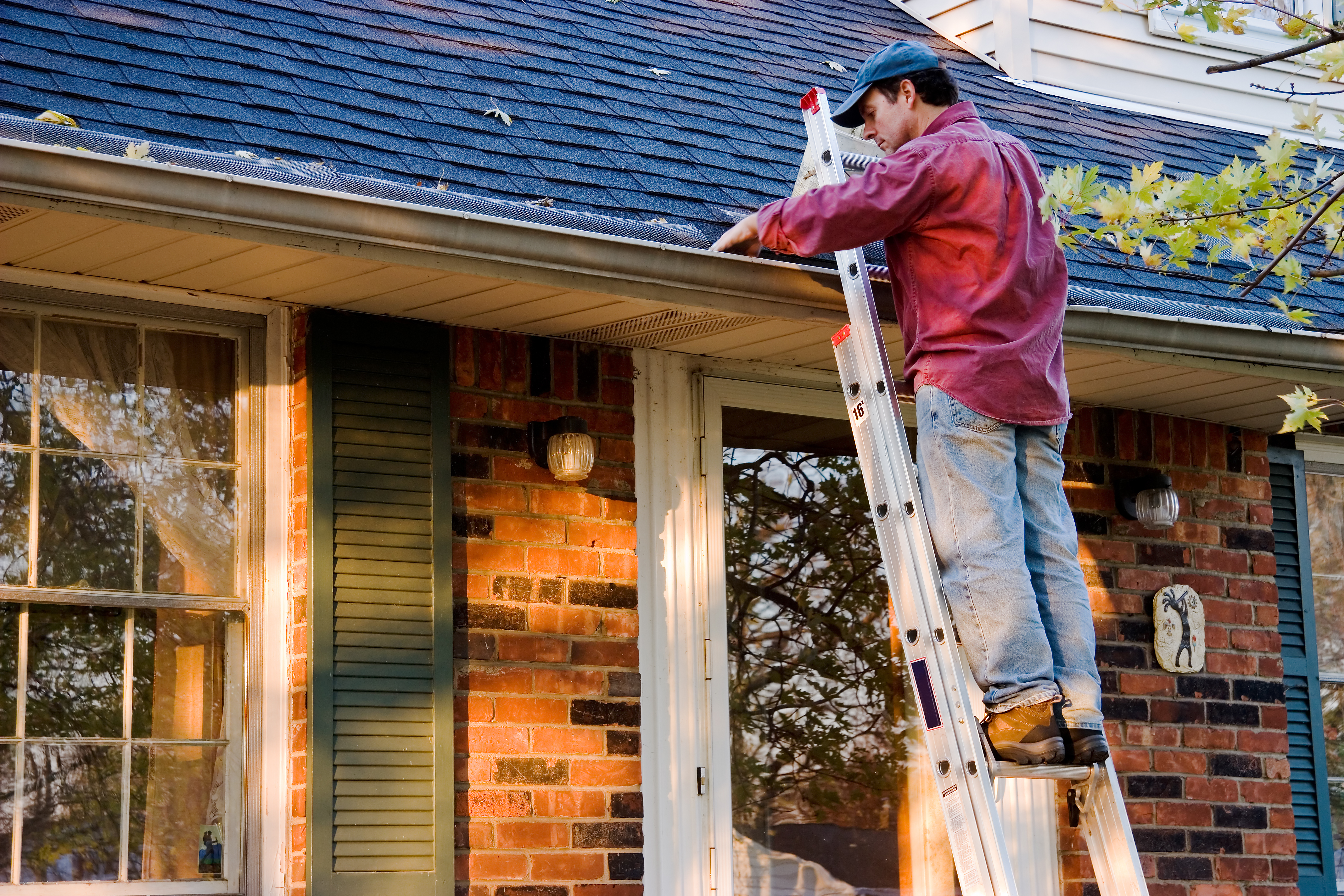
June can feel early for major HOA maintenance planning, but waiting too long can create expensive problems by autumn. In Seattle, summer gives communities a limited window for inspections, repairs, vendor scheduling, landscaping, and exterior maintenance before rain, cooler weather, and fall schedules make projects harder to complete.
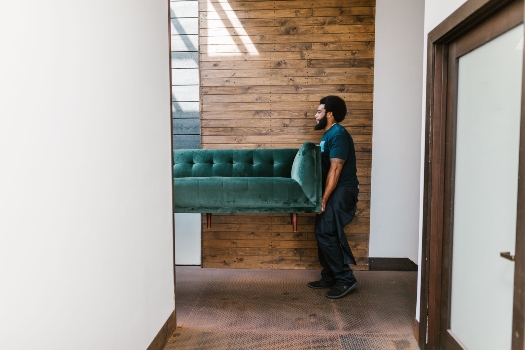
Summer is the busiest time of year for residential moves, and for HOA boards, that means a predictable surge in noise complaints, blocked corridors, damaged common areas, and frustrated neighbors. According to industry data, more than 60% of all U.S. moves happen between May and September. For communities with shared hallways, elevators, and parking, that concentration of activity can strain relationships and create enforcement headaches that last well beyond move day. The good news is that boards who prepare proactively, rather than react after problems occur, can significantly reduce resident complaints during peak moving seasons without adding major burden to their workload.

In an HOA community, maintenance concerns can happen at any time. A plumbing leak, electrical issue, security concern, or storm-related damage may occur after regular office hours and still need immediate attention. That is why 24/7 emergency maintenance support is an important part of reliable HOA management.

Collecting HOA dues should be straightforward for both board members and homeowners. A clear, organized payment process helps communities stay on budget, reduces confusion, and supports more consistent cash flow. Whether your association accepts online payments, checks, or money orders, offering practical dues collection options can make the process easier for everyone.
Strong storage planning tips can make the move calmer, cut clutter before move-in day, and help you settle in without filling every corner with boxes. Before the truck arrives, it helps to understand how an Association management company may oversee move-in schedules, parking access, shared spaces, and storage rules that affect what you can bring and when.

Buying into an HOA community comes with a lot of moving parts. New owners are not just moving into a home - they are also joining a shared community with guidelines, responsibilities, and processes. That is why new owner orientations can make such a difference.
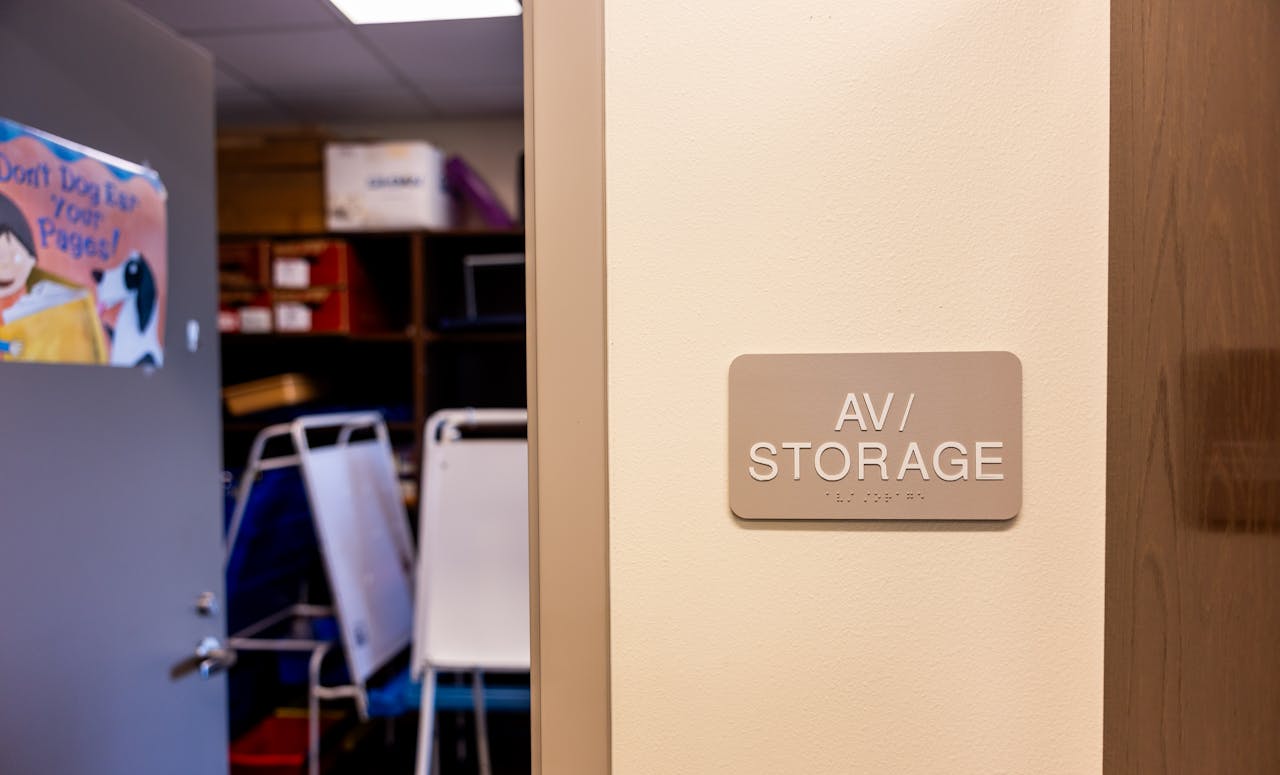
Moving into a new home is often a carefully planned process, but homeowners' associations (HOAs) can sometimes introduce unexpected delays. Whether due to scheduling restrictions, documentation requirements, or limited move-in windows, these delays can leave you in a difficult position—especially when your belongings have already been packed and transported.

View
Services

Keep
In Touch
© 2026 Prime HOA Management WA. All rights Reserved - Accessibility Statement - Privacy Policy - Sitemap
Powered by
