
1507 Queen Ave N. Ste 202
Seattle, WA 98109

Improving Community Safety With Proactive Maintenance
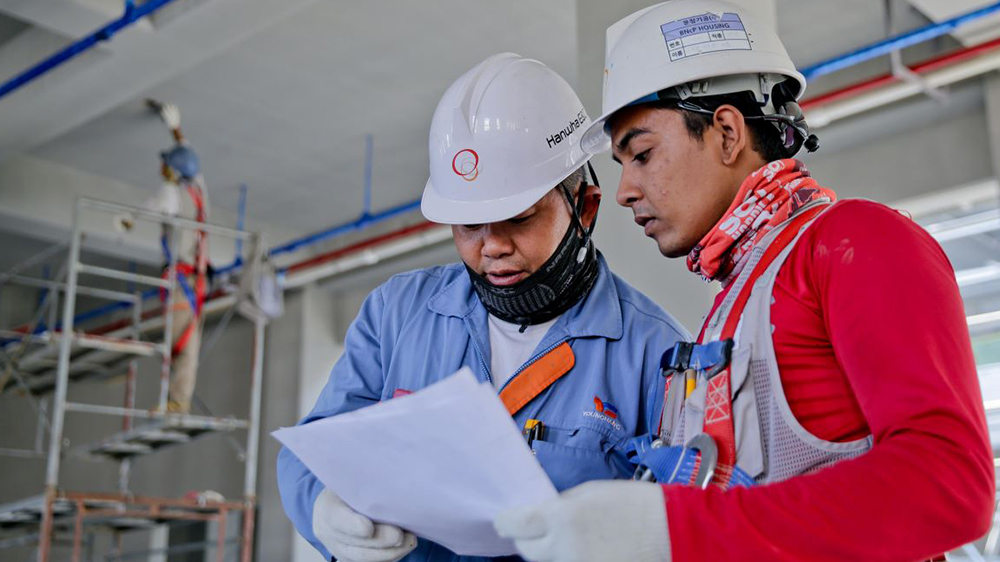
Safety with proactive maintenance means keeping spaces safe through regular checks and early repairs. When maintenance is ignored, hazards grow unnoticed. Cracked sidewalks, broken lights, and loose rails can cause serious harm to residents. By preventing these issues, communities stay safer and more inviting. People feel more confident walking, playing, and driving in well-maintained areas. The focus on prevention saves money and reduces emergency repairs. Reacting after damage happens often costs more and takes longer to fix. Early action builds a culture of care where everyone feels responsible. Communities that plan and act early experience fewer accidents and stronger trust between residents and local authorities.
Spotting Small Problems Before They Become Big Risks
Small issues may seem minor, but can cause serious harm if left alone. Regular inspections help detect them early. Checking lighting, benches, playgrounds, roads, and drainage keeps public areas secure. A missing bolt or loose paving stone might seem trivial until it injures someone. Regular checks allow quick fixes before such incidents occur.
Early repairs are faster and cheaper. Continuous monitoring builds reliability and prevents larger safety concerns. In addition, inspection records help identify recurring problems. These logs guide future maintenance schedules. Communities that track repairs understand which areas need extra attention, saving time and resources in the long run. When you are done with small repairs, you can focus on bigger upgrades for your home.
Empowering Residents to Report Maintenance Issues
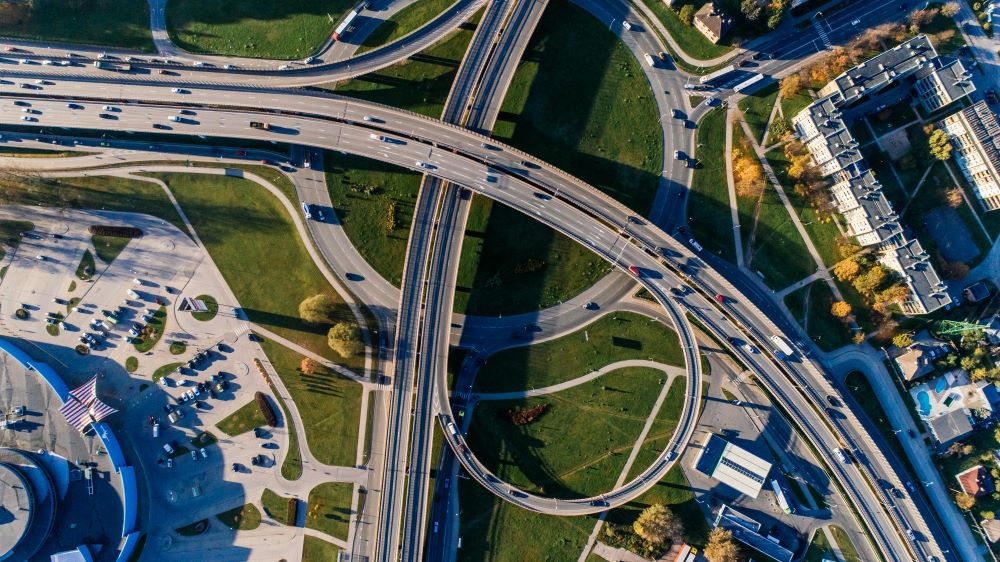
Active citizen involvement strengthens safety with proactive maintenance. Residents see problems sooner than local workers do. Simple reporting tools—such as mobile apps, websites, or hotlines—make sharing concerns quick and easy. When people take part, hazards are addressed faster and risks decrease.
In contrast, ignoring public input allows hazards to worsen. Reward systems for quick reports can motivate more participation. Recognition through local events or newsletters encourages cooperation. Communities that include residents in maintenance see higher satisfaction and stronger trust. People take pride in safe, well-kept spaces when they feel their input matters.
Maintaining Your Home After Moving In
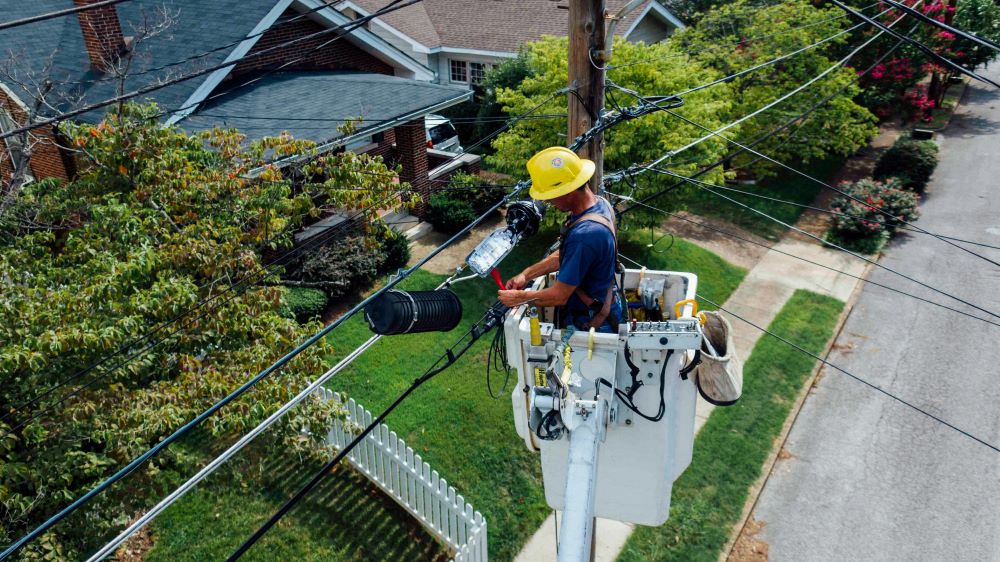
Moving into a new home is exciting, but maintenance should begin right away. Early attention helps prevent small issues from becoming serious problems. Check for leaks, damaged outlets, or loose fixtures during the first few weeks. These inspections protect both your investment and your family. Consistent care also helps keep property value stable over time.
When ensuring a safe relocation, focus on the safety must-haves for every move. These include working smoke detectors, fire extinguishers, sturdy locks, and safe electrical systems. Keep hallways clear, test alarms, and review emergency contacts. In addition, inspect heating and ventilation systems to make sure they function properly. Simple steps like these prevent risks and create a secure environment from day one.
Furthermore, update your maintenance checklist after moving in. Record any repairs or upgrades and schedule reminders for seasonal upkeep. Clean gutters, test appliances, and check insulation before each season change. This habit strengthens long-term safety and reduces unexpected expenses. With steady care, your new home remains a comfortable and secure space for years.
Using Technology for Predictive Maintenance
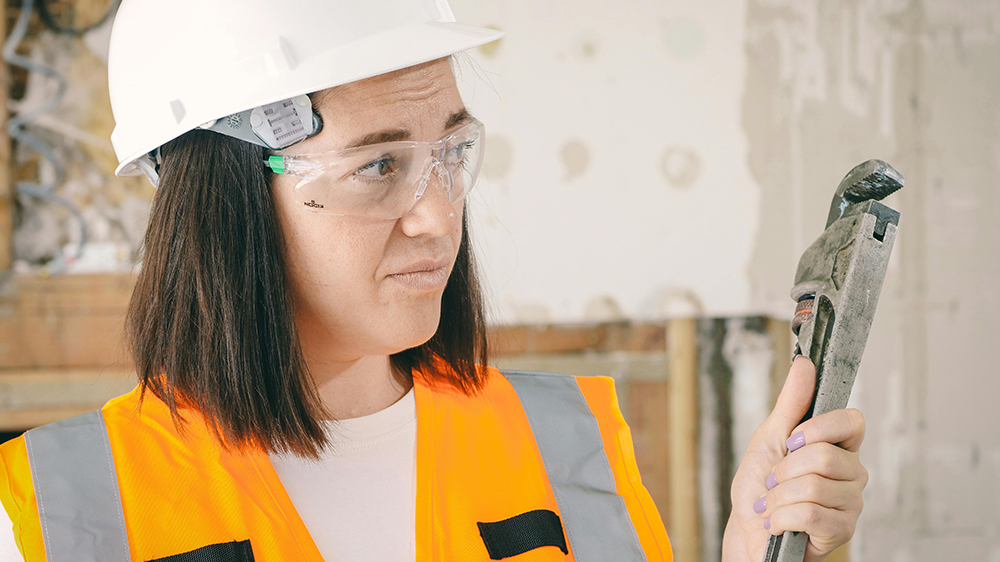
Modern tools make proactive maintenance smarter and faster. Sensors can detect issues before they become visible. For example, vibration sensors in bridges or temperature sensors in electrical systems can signal early danger. Predictive software can analyze patterns and alert teams before failures happen.
Moreover, automated alerts save time and reduce the need for manual inspections. Smart systems can also track which assets need repair most often. This data supports better budgeting and scheduling. Cities that use such systems report fewer accidents and lower maintenance costs. Technology does not replace people but supports faster, more accurate decisions.
Maintenance Planning: Scheduling and Prioritization
A strong maintenance plan prevents confusion and delays. Scheduling ensures no area is overlooked. Teams can plan daily, weekly, or monthly checks based on risk level. For example, playgrounds and streetlights may need more frequent attention than parking lots. Structured schedules guarantee that urgent repairs come first.
Likewise, seasonal changes require special attention. Storms, heat, or cold can cause damage that needs timely action. Having a clear calendar helps teams prepare tools and materials early. Regular reviews of completed tasks keep operations transparent. When communities see visible progress, confidence in local authorities grows.
Sustainable Materials and Long-Term Safety
Durable materials lower repair frequency and improve community safety. Using high-quality materials means fewer breakdowns and less waste. Recycled concrete, LED lights, or weather-resistant coatings last longer and perform better. These solutions may cost more at first, but save money over time.
Furthermore, eco-friendly materials help the environment while improving safety. They reduce pollution and energy use. In comparison, cheap materials often need constant replacement and lead to more disruption. Choosing strong and sustainable materials builds a stable foundation for long-term safety and cost control.
Training and Accountability for Maintenance Teams
Trained maintenance teams deliver safer results in the case of an emergency. Workers who understand procedures can identify hazards faster and handle tools correctly. Safety workshops refresh their skills and keep everyone alert. Regular training ensures that maintenance is consistent and reliable.
Equally important, every worker should have clear responsibilities. Defined zones prevent confusion and overlap. Supervisors can then track performance accurately. Regular evaluations improve teamwork and accountability. When staff feel confident and supported, they take pride in doing their jobs right, which reflects in safer, well-maintained spaces.
Building a Culture of Care and Responsibility
Community-wide awareness supports long-term safety with proactive maintenance. People must understand that safety is a shared duty. Schools, local groups, and businesses can help spread awareness through events or campaigns. For instance, school projects about safety inspections teach children how small actions protect everyone.
Nevertheless, maintaining this culture takes steady effort. Authorities must communicate clearly and respond quickly to feedback. When residents see results, they stay engaged. Joint clean-up drives, regular community checks, and safety days strengthen the bond between citizens and workers. Together, they build safer, cleaner, and more caring environments.
The Lasting Impact of Safety With Proactive Maintenance
Prevention always costs less than repair. Communities that focus on safety with proactive maintenance save money, reduce risks, and improve the quality of life. Every inspection, repair, and replacement makes public areas safer for everyone. Clean parks, bright lights, and smooth roads show care and responsibility.
Having proactive maintenance is an investment in trust and well-being. It encourages teamwork between citizens, maintenance crews, and leaders. Consistent care reduces fear of accidents and builds long-term stability. Safer communities are happier communities, and the effort begins with simple, steady maintenance.

View
Services

Keep
In Touch
© 2026 Prime HOA Management WA. All rights Reserved - Accessibility Statement - Privacy Policy - Sitemap
Powered by
