
1507 Queen Ave N. Ste 202
Seattle, WA 98109

How Storage Overflow Impacts Fire Safety And Compliance In HOAs
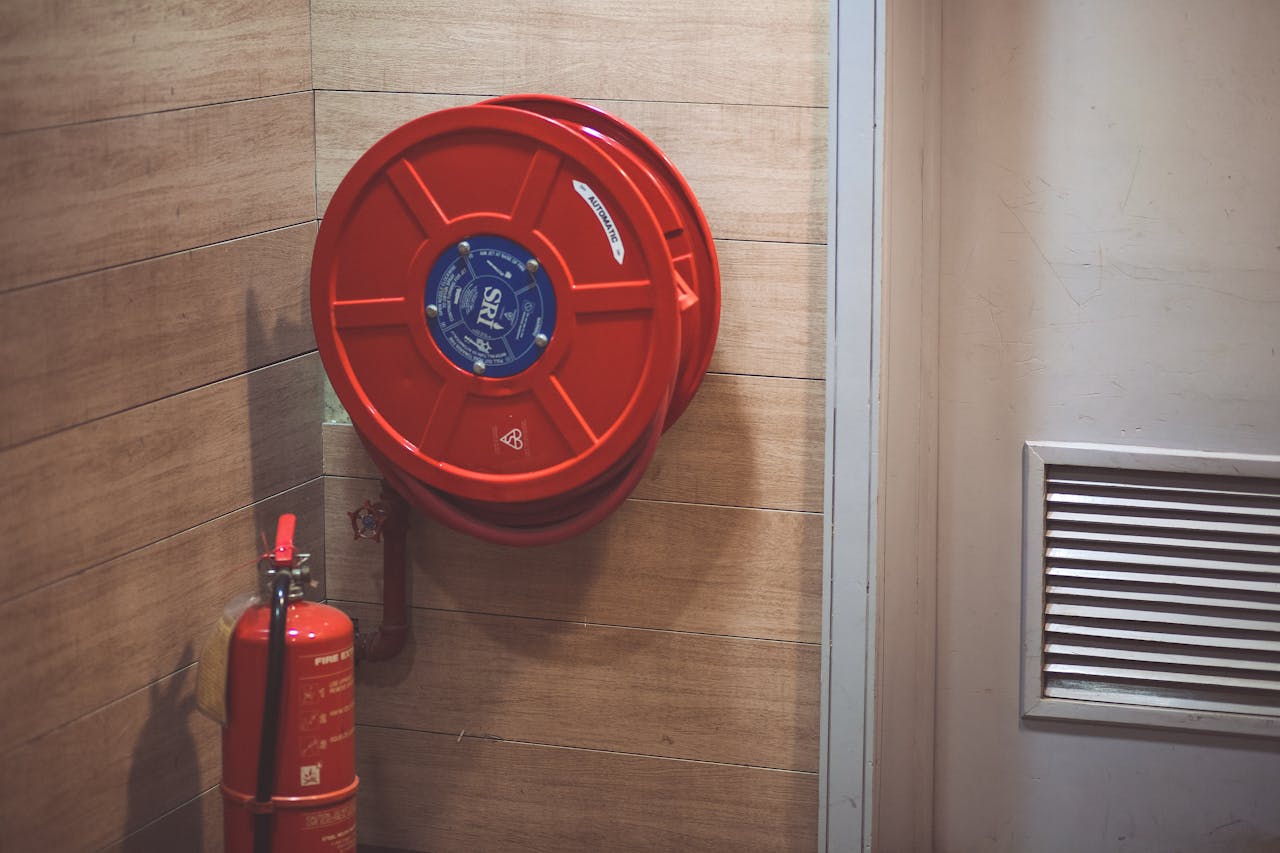
Living in a homeowners association community means sharing responsibility for more than just property appearance. Safety standards, building codes, and daily habits all intersect in ways that directly affect everyone who lives there. One often underestimated issue is storage overflow, which can quietly undermine fire safety and compliance across an entire HOA. As belongings accumulate and spaces become crowded, risks increase—not only for individual homeowners but for the community as a whole. Understanding how storage habits influence safety and regulatory compliance is essential for creating a secure and well-managed living environment.
How Storage Overflow Impacts Fire Safety And Compliance
Storage overflow has become increasingly common in HOA communities as residents adapt to changing lifestyles, smaller living spaces, and long-term accumulation of household items. Garages, closets, and shared areas often absorb excess belongings without much thought given to fire safety and compliance. Over time, what starts as temporary storage can evolve into a persistent hazard, creating conditions that violate fire codes and expose both residents and HOA boards to unnecessary risk.
How Excess Storage Increases Fire Risk
Fire safety depends heavily on clear space and controlled materials. Storage overflow increases fire risk in several ways. Piled belongings restrict airflow, trap heat, and create fuel sources that allow fires to spread more rapidly. Cardboard boxes, paper goods, fabrics, and plastics are especially combustible. Storing these materials densely or placing them near ignition sources such as water heaters, electrical panels, or outlets significantly increases the chance that a fire will start and spread before anyone can contain it.
Blocked Access Routes and Emergency Egress Concerns
One of the most serious consequences of storage overflow is blocked access. Fire codes require clear pathways for evacuation and emergency response. When residents store items in hallways, stairwells, or near exits, they unknowingly obstruct escape routes. In an emergency, even a small obstruction can cause panic, delay evacuation, or prevent firefighters from reaching affected units quickly. These blocked paths are among the most common violations cited during fire inspections in HOA communities.
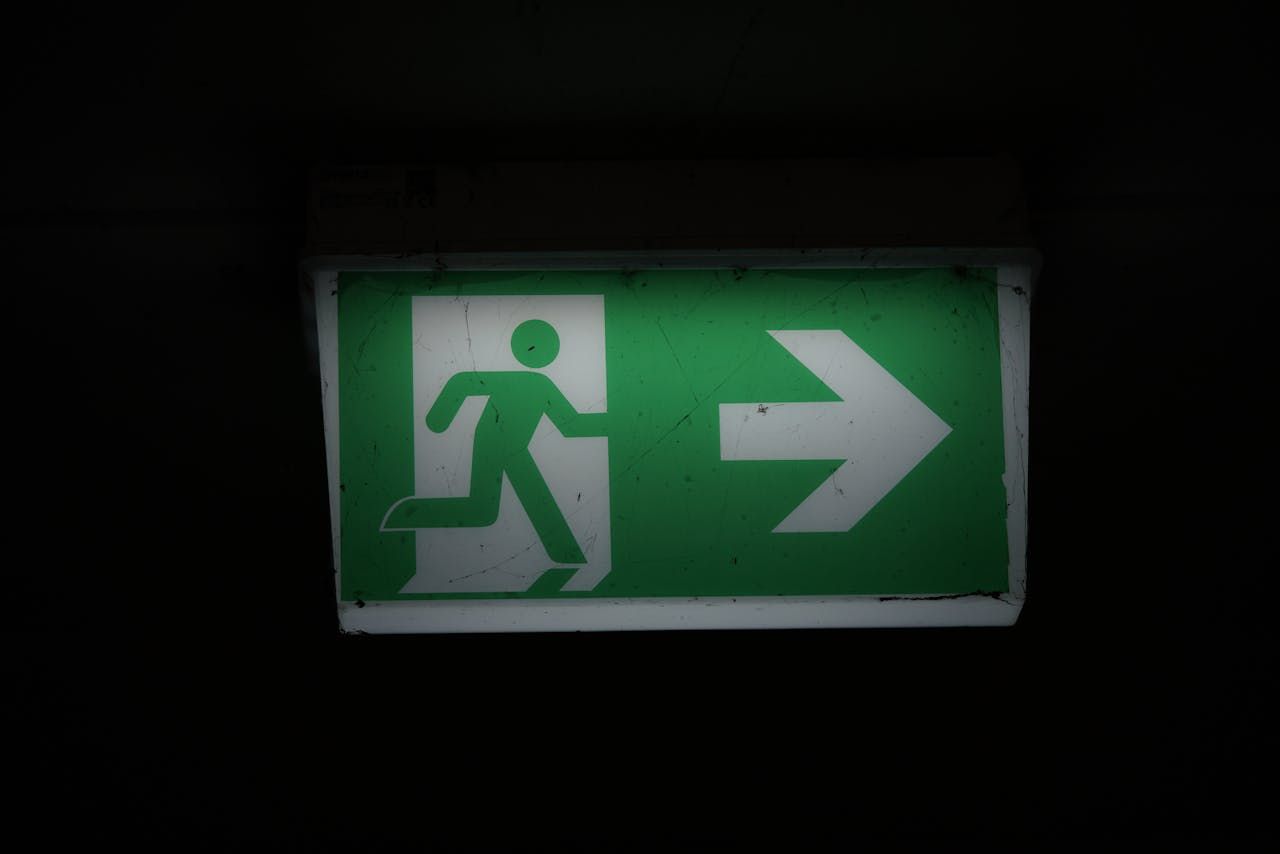
Blocked access can impact fire safety and compliance heavily.
The Impact on Fire Suppression Systems
Sprinkler systems and fire alarms are designed to work in open, unobstructed environments. Excessive storage can interfere with these systems by blocking sprinkler heads, covering alarms, or limiting water distribution during a fire. Items stacked too close to ceilings can prevent sprinklers from activating properly or reduce their effectiveness. This not only increases damage during a fire but also exposes the HOA to compliance failures that could result in fines or increased insurance premiums.
HOA Compliance and Fire Code Obligations
HOAs are responsible for maintaining common areas in compliance with local fire codes. When storage overflow occurs in shared spaces, the association may be held accountable even if individual residents are the source of the clutter. Fire marshals and inspectors do not differentiate intent; they assess conditions. Repeated violations can lead to citations, mandatory corrective actions, and, in extreme cases, legal liability if an incident occurs. Compliance is not optional, and storage-related violations are among the easiest to avoid with proper awareness and enforcement.
Insurance Implications of Storage-Related Fire Hazards
Insurance providers closely evaluate fire risk when underwriting HOA policies. Storage overflow increases perceived risk and can lead to higher premiums or reduced coverage. In the aftermath of a fire, insurers may investigate whether blocked exits or improper storage contributed to the damage. If negligence is found, claims could be reduced or denied. For HOAs, this creates financial exposure that affects every homeowner, not just those who store excessively.
Shared Responsibility Between Residents and HOA Boards
Fire safety is a shared responsibility. While HOA boards establish rules and enforce compliance, residents play a crucial role in maintaining safe conditions within their units and common areas. Education and communication are often more effective than enforcement alone. When residents understand how their storage habits impact not only their own safety but the entire community, cooperation tends to improve. Clear guidelines, regular reminders, and respectful dialogue help prevent storage issues from escalating into conflicts.
Decluttering as a Practical and Proactive Solution
Addressing storage overflow does not mean residents must get rid of everything they value. Thoughtful decluttering offers a balanced approach. By removing unnecessary items, homeowners reduce fire risk while reclaiming functional living space. Many residents find that decluttering your home using a mobile storage unit provides a flexible solution, allowing them to temporarily store belongings offsite while reorganizing their living areas. This approach supports removing items without forcing rushed decisions, decluttering your home using a mobile storage unit both practical and stress-free.
Establishing Clear Storage Guidelines Within the Community
Well-defined storage policies help prevent misunderstandings and ensure consistent compliance. HOAs reduce ambiguity for residents when they clearly outline where storage is permitted, which materials they restrict, and how much space residents may use. When HOAs communicate these guidelines proactively and explain the related fire safety concerns, residents comply more willingly and consistently. Transparency fosters trust and reinforces the idea that rules exist to protect everyone, not to limit personal freedom.
The Role of Inspections and Ongoing Maintenance
Regular inspections play a key role in identifying storage-related fire hazards before they become serious problems. Scheduled walkthroughs of common areas, garages, and utility rooms allow HOAs to address issues early and provide residents with time to correct violations. These inspections should be framed as preventive rather than punitive. When residents see inspections as part of routine safety maintenance, compliance becomes part of the community culture rather than a source of tension.
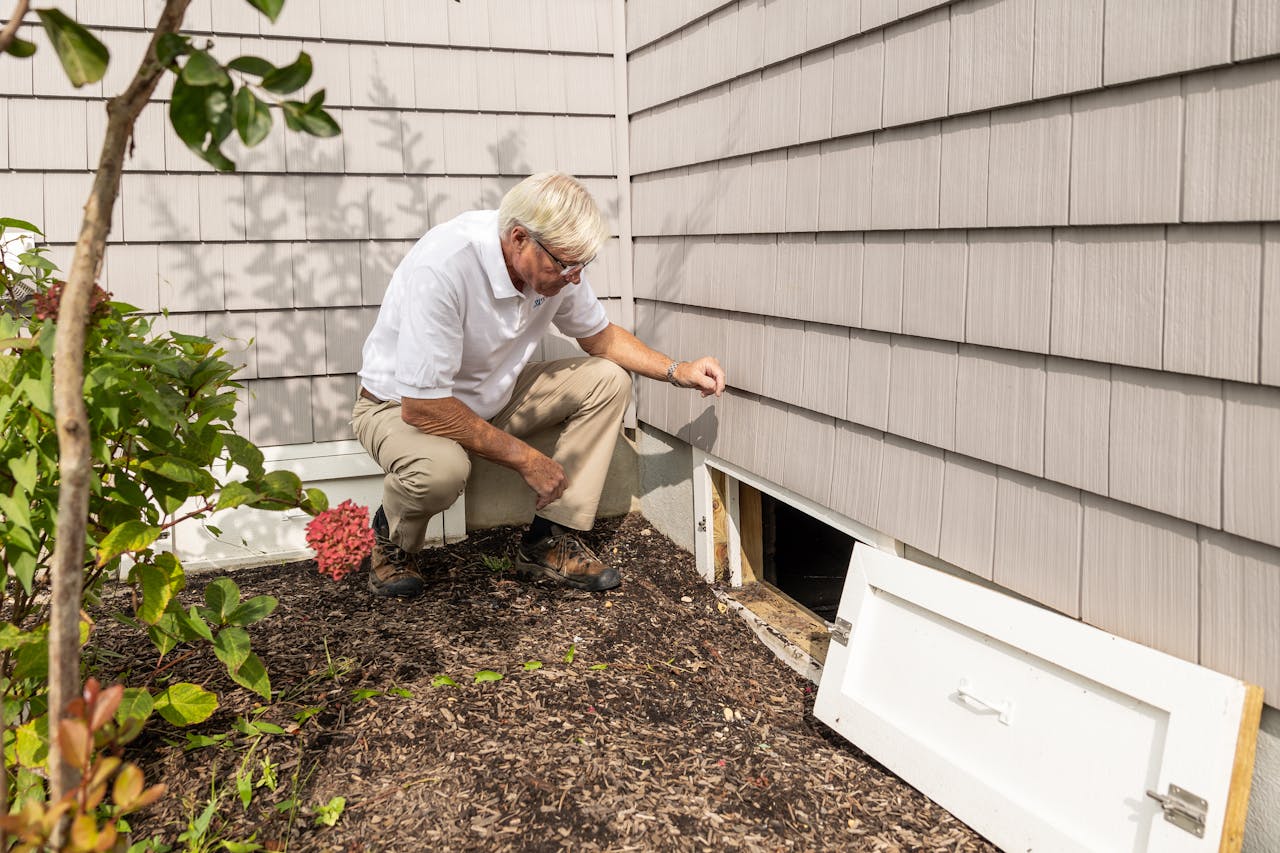
Scheduled walkthroughs of common areas, garages, and utility rooms allow HOAs to address issues early.
Long-Term Benefits of Managing Storage Overflow
Proactively managing storage overflow delivers benefits that extend beyond fire safety. Clear spaces improve accessibility, enhance visual appeal, and contribute to higher property values. Residents experience less stress in organized environments, and HOAs benefit from reduced liability and stronger relationships with insurers and regulators. Over time, a community that prioritizes safe storage practices develops a reputation for being well-managed and desirable, which benefits everyone involved.
Maintaining Safer Living Environments
Managing storage overflow is not simply about aesthetics or organization—it is a critical component of fire safety and compliance in HOA communities. Excess clutter increases fire risks, obstructs emergency access, and places associations at risk of violations, fines, and insurance complications. By promoting responsible storage habits, clear guidelines, and proactive decluttering solutions, HOAs can protect residents while maintaining compliance and community trust. When safety and organization work together, everyone benefits from a more secure, livable, and resilient community.

View
Services

Keep
In Touch
© 2026 Prime HOA Management WA. All rights Reserved - Accessibility Statement - Privacy Policy - Sitemap
Powered by
