
1507 Queen Ave N. Ste 202
Seattle, WA 98109

Navigating Parking and Common Space Policies Without Conflict
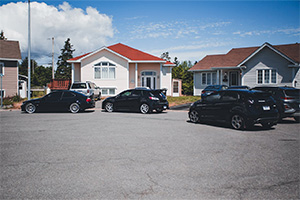
Shared spaces often lead to tension between neighbors, especially in high-density housing. Clarity in use matters more than good intentions. Disagreements can escalate quickly without structure. That’s why it’s important to understand how to handle parking and common space policies before they cause problems. Whether you're in a condo, townhouse complex, or part of a managed HOA, how you manage access and behavior around mutual areas directly affects community wellbeing. Clear expectations, respectful communication, and calm resolution strategies lower the risk of long-term disputes.
Understand Your Rights and Responsibilities
Before you complain or confront anyone, check the documents that govern your property. Most housing agreements outline exactly what’s allowed in common areas and who can use specific parking spaces. This isn’t always obvious, especially in older buildings or less regulated communities.
Read through your lease or HOA agreement carefully. These documents define what’s enforceable. Even if your neighbor says “everyone does it,” your protection lies in what’s written. Some agreements may also get updated after board meetings—ask for copies when that happens so you're not caught off guard.
If you're moving into a shared-housing environment, it's smart to prepare early. Review site plans, ask questions about shared areas, and clarify visitor protocols. This helps you avoid the most common moving mistakes that lead to future neighbor tension. Issues often begin during move-in week—blocked driveways, unsecured trash, noise after hours. Starting off with respect and clarity puts everyone at ease.
Keep all communication and rules in one place. Store emails, meeting notes, and posted notices so you can refer to them quickly if issues arise. This saves time during conflicts and shows you’ve done your part to stay informed.
When Parking and Common Space Policies Feel Unclear
Sometimes, rules exist but don’t say enough. For example, if visitor parking has no time limit, someone might leave their car for weeks. If hallway storage is prohibited but nobody enforces it, tension builds quietly.
If you’re unsure whether something’s allowed, ask the property manager or board chair. Keep your tone neutral and your message short. You're looking for clarification, not conflict. The same applies if someone else complains about you—don’t guess what the rule says. Confirm it.
If parking and common space policies seem outdated or unworkable, request a formal review. Policies can be changed through proper procedures, especially when backed by a few other residents. Don’t expect overnight fixes, but don’t accept silence either.
Document and Communicate Before Problems Escalate
Documentation protects everyone, especially when policies are loosely followed or unevenly enforced. Take photos, log times, and save messages if something happens repeatedly. Don’t rely on memory when the issue gets more serious later.
Talk directly to your neighbor if you're comfortable doing so. Stay calm and respectful. Ask questions instead of making accusations. You may discover they didn’t realize the issue. Or you may uncover a wider pattern, which you can then bring to management with context.
If you notice that your neighbors don’t seem to follow the same rules, bring it up in a non-confrontational way. Phrase your concern as something shared—how the issue affects everyone’s safety, not just your comfort. It helps shift the tone from blame to resolution.
Set Clear Boundaries Without Sounding Controlling
It’s hard to balance firmness with friendliness, but it’s necessary. If someone blocks your driveway or leaves bikes in shared halls, don’t ignore it or lash out. Be clear and polite. Start with “I noticed...” rather than “You always...”
Use “I” statements to keep things focused on behavior, not identity. Say, “I need the space next to my unit kept clear for emergency access,” instead of, “You’re always in the way.” Specific requests feel easier to meet and harder to argue with.
Avoid making your preferences sound like rules. Saying, “We all need to keep things tidy,” comes across better than, “You need to clean up.” The goal isn’t control—it’s cooperation. When possible, offer a solution: “Would storing it behind your fence work better?” rather than just saying no.
Bring in property management only after trying other approaches. This avoids unnecessary escalation and shows you made a good-faith effort first.
Use Meetings and Mediation to Prevent Drama
Don’t skip board or HOA meetings just because they seem dry. These gatherings are where rules are made, changed, or clarified. If something has been a repeated issue—like noise, parking overflow, or blocked paths—raise it there before it turns into gossip.
Speak from facts, not feelings. Instead of saying, “The neighbors are inconsiderate,” try, “For the past three weekends, trash has been left in shared areas.” Specifics lead to solutions. Vague complaints stall discussions or make you sound personal.
Community mediation services help when conversations break down. These professionals aren’t there to pick sides. They’re trained to help people express concerns clearly and move toward agreement. It’s better than legal action and cheaper too.
Avoid venting in group chats or public forums. It rarely helps. Public shaming hardens positions and makes future resolution harder. Stick to private, direct communication or structured meetings whenever possible.
Know When to Escalate—and When to Let It Go
You’ll encounter situations where doing nothing feels wrong, but pushing too hard creates more problems. Learn to recognize the difference between repeat offenders and someone having a bad day.
If someone uses your assigned spot once during a snowstorm, speak up, but don’t declare war. If it keeps happening after polite reminders, then it’s time to escalate. Formal complaints should be your last step, not your first.
Patterns matter. If you’re being ignored, harassed, or if the issue threatens safety or property, escalate with confidence. But pick your battles. Some issues resolve on their own, or through indirect methods like improved signage or added lighting.
Letting small things slide now and then can keep peace without harming your rights. Know your limits, but also know your priorities. Living with others means compromise. Not every rule needs to be enforced every time.
Finding Long-Term Balance in Shared Living Spaces
Peaceful shared living takes work, but the results are worth it. Clear rules and respectful communication prevent long-term tension. If you understand your rights and express concerns calmly, you’ll solve more problems than you start. Staying informed and proactive is the only way to handle parking and common space policies without conflict. The goal isn’t perfection—it’s fairness and habit.

View
Services

Keep
In Touch
© 2026 Prime HOA Management WA. All rights Reserved - Accessibility Statement - Privacy Policy - Sitemap
Powered by
