
1507 Queen Ave N. Ste 202
Seattle, WA 98109

Temporary Storage Solutions During HOA Move-In Delays
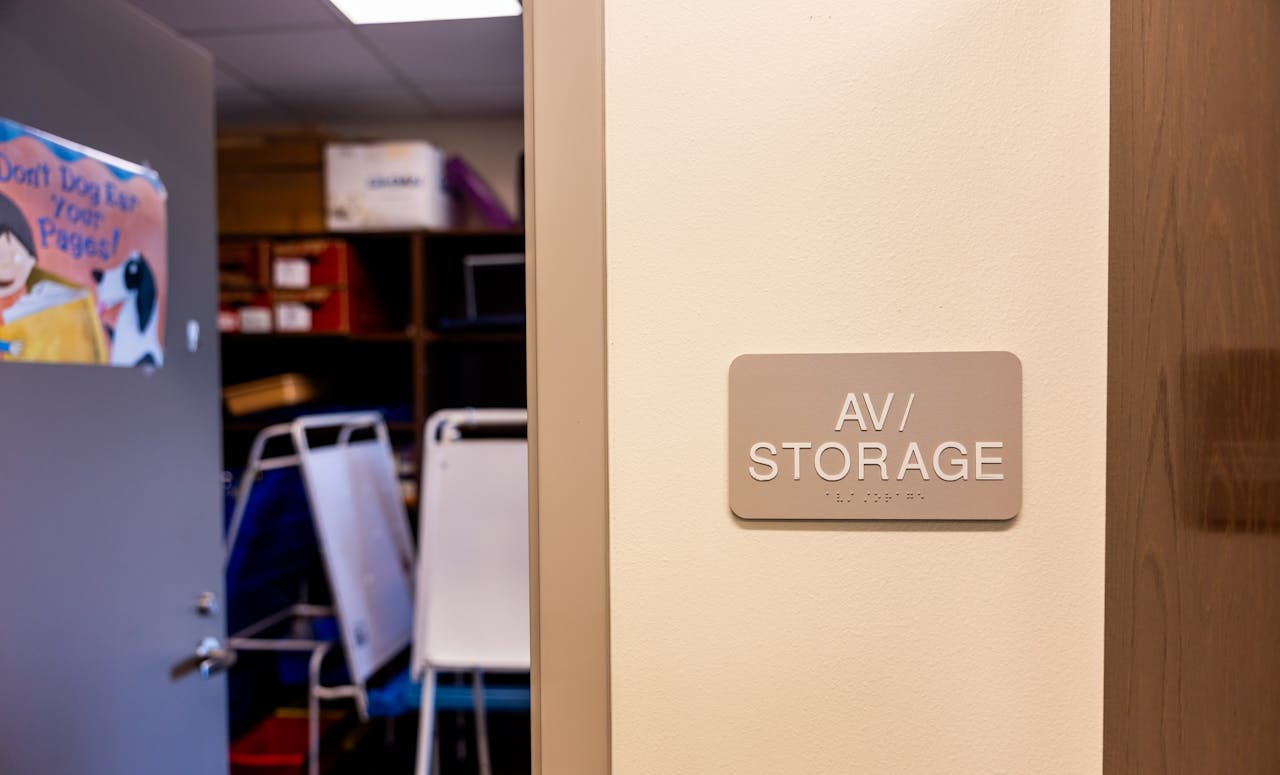
Moving into a new home is often a carefully planned process, but homeowners' associations (HOAs) can sometimes introduce unexpected delays. Whether due to scheduling restrictions, documentation requirements, or limited move-in windows, these delays can leave you in a difficult position—especially when your belongings have already been packed and transported. Temporary storage solutions can bridge that gap, helping you stay organized, protect your items, and maintain peace of mind during the transition.
Understanding your storage options and how to use them effectively can make a significant difference. With the right approach, even an inconvenient delay can be handled smoothly, allowing you to stay focused on settling into your new space once access is granted.
Why HOA Move-In Delays Happen
HOAs often enforce rules designed to protect shared spaces and ensure a smooth experience for all residents. These may include designated move-in hours, elevator reservations, or limits on the number of moves per day. Administrative processes, such as reviewing paperwork or confirming deposits, can also slow things down.
While these policies are understandable, they can disrupt your moving timeline if not accounted for early. Delays may last anywhere from a few days to a couple of weeks, depending on the situation. Knowing this in advance allows you to prepare for temporary storage rather than scrambling at the last minute.
The Role of Temporary Storage in Your Moving Plan
Temporary storage solutions are a buffer between your current home and your new one. It gives you flexibility when timelines don’t align and helps prevent rushed decisions that could lead to damaged belongings or unnecessary stress.
By incorporating storage into your moving plan, you create a controlled environment for your possessions. That ensures that everything remains safe and accessible until you are ready to complete your move-in process. It also allows you to approach the situation with a clear head, rather than feeling pressured by tight deadlines.
Types of Temporary Storage Solutions
There are several storage options available, each suited to different needs. Traditional storage units are one of the most common choices. These facilities offer secure, climate-controlled spaces that can accommodate everything from small household items to large furniture.
Portable storage containers provide another flexible option. These units can be delivered to your location, loaded at your convenience, and then transported to a storage facility or held until your move-in date. That minimizes the need for multiple loading and unloading steps.
Some moving companies also offer storage-in-transit services. In this case, your belongings remain in the care of the movers until your new home is ready. That can simplify logistics, especially if you prefer a more hands-off approach.
Choosing the Right Storage Duration
Estimating how long you will need storage is an important step. HOA delays can be unpredictable, so it’s wise to build in a buffer period. Even if you expect a short delay, having a few extra days of storage ensures you won’t feel rushed if plans change.
Short-term storage typically covers a few days to a few weeks, while long-term options extend beyond that. Choosing the right duration helps you manage costs and avoid unnecessary extensions. It’s always better to overestimate slightly than to find yourself needing more time without a plan.
Preparing Your Furniture for The Move
Many people overlook furniture prep when planning a move or temporary storage, yet this step directly affects how items hold up during handling and storage. When you understand how to prepare furniture for a professional move, you reduce wear, avoid delays, and keep everything organized from pickup to delivery.
First, sort, declutter, and decide what should be moved. Remove items you no longer need and separate pieces that require special handling. Next, clean and dry furniture to prevent odors, stains, or moisture damage while in storage. After that, disassemble large furniture such as bed frames, tables, and shelving units to make transport safer and more efficient. These actions set the tone for successful relocation by reducing risk and simplifying logistics at every stage.
Use protective materials like moving blankets or stretch wrap to shield surfaces from scratches and dust. Keep screws, bolts, and small parts in labeled bags, then attach them securely to the corresponding items. Finally, align with your movers on packing methods so everyone follows the same approach, which keeps the process consistent and avoids unnecessary complications.
Preparing Your Belongings for Storage
Proper preparation is key to keeping your items in good condition during storage. Start by cleaning and drying everything thoroughly. Moisture can lead to mold or unpleasant odors, especially if items remain in storage for longer than expected.
Packing materials also play a significant role. Sturdy boxes, protective wraps, and labeling systems make it easier to store and retrieve your belongings later. Furniture should be disassembled where possible, and delicate items should be cushioned carefully.
Taking these steps ensures that your belongings remain protected, even if the delay extends beyond your initial expectations.
Caption: After establishing temporary storage solutions, make sure to prepare your belongings.
Climate Control and Security Considerations
Not all storage facilities offer the same level of protection. Climate-controlled units are particularly important if you are storing items that are sensitive to temperature or humidity changes, such as electronics, wooden furniture, or artwork.
Security is another essential factor. Look for facilities with surveillance systems, controlled access, and well-maintained premises. Knowing your belongings are safe allows you to focus on other aspects of your move without unnecessary worry.
Coordinating Storage With Your Moving Company
Working closely with your moving company can simplify the process significantly. Many professional movers offer integrated storage solutions, which means your items can be transported directly into storage without additional handling.
Clear communication is crucial. Make sure your movers understand your situation, including potential HOA delays and any specific requirements for delivery. This coordination helps prevent confusion and ensures a smooth transition when it’s finally time to move into your new home.
Managing Access to Your Stored Items
During a delay, you may need access to certain belongings, such as clothing, documents, or essential household items. Planning ahead can save you from unnecessary inconvenience.
Keep a separate essentials bag with items you’ll need during the interim period. If you anticipate needing access to stored items, choose a facility that allows easy entry and flexible hours. Organizing your storage unit thoughtfully also makes it easier to retrieve specific items without unpacking everything.
Cost Considerations and Budgeting
Temporary storage adds an extra layer of expense to your move, but it can be managed with careful planning. Costs vary depending on factors such as unit size, duration, and location. Climate-controlled units and premium security features may also increase the price.
To stay within budget, compare options and understand what is included in the cost. Some moving companies offer bundled packages that combine transportation and storage, which can be more cost-effective than arranging services separately.
Being proactive about budgeting ensures that storage remains a helpful solution rather than an unexpected financial burden.
Caption: To stay within budget, compare options and understand what is included in the cost.
Staying Flexible During the Delay
Flexibility is one of your greatest assets when dealing with HOA move-in delays. While it’s natural to feel frustrated, maintaining a calm and adaptable mindset helps you navigate the situation more effectively.
Use this time to finalize details for your new home, such as arranging utilities, planning your layout, or completing any last-minute tasks. Viewing the delay as an opportunity rather than a setback can make the experience more manageable.
Communication With HOA and Property Management
Maintaining open communication with your HOA or property management team is essential. Stay informed about your move-in status and any changes to the schedule. Prompt responses and clear documentation can sometimes help expedite the process.
Understanding the specific requirements and timelines also allows you to adjust your storage plans accordingly. That reduces uncertainty and helps you stay in control of the situation.
Strategy in Place Makes All the Difference
Temporary storage solutions provide a practical and reliable way to handle HOA move-in delays. By planning ahead, choosing the right storage option, and preparing your belongings carefully, you can turn a potentially stressful situation into a manageable one.
Every move comes with its own challenges, but having a strategy in place makes all the difference. With thoughtful preparation and a flexible approach, you can protect your belongings, stay organized, and move into your new home with confidence when the time finally arrives.

View
Services

Keep
In Touch
© 2026 Prime HOA Management WA. All rights Reserved - Accessibility Statement - Privacy Policy - Sitemap
Powered by
