
1507 Queen Ave N. Ste 202
Seattle, WA 98109

The Summer Surge: Why Delayed June Maintenance Crushes HOA Budgets by Autumn
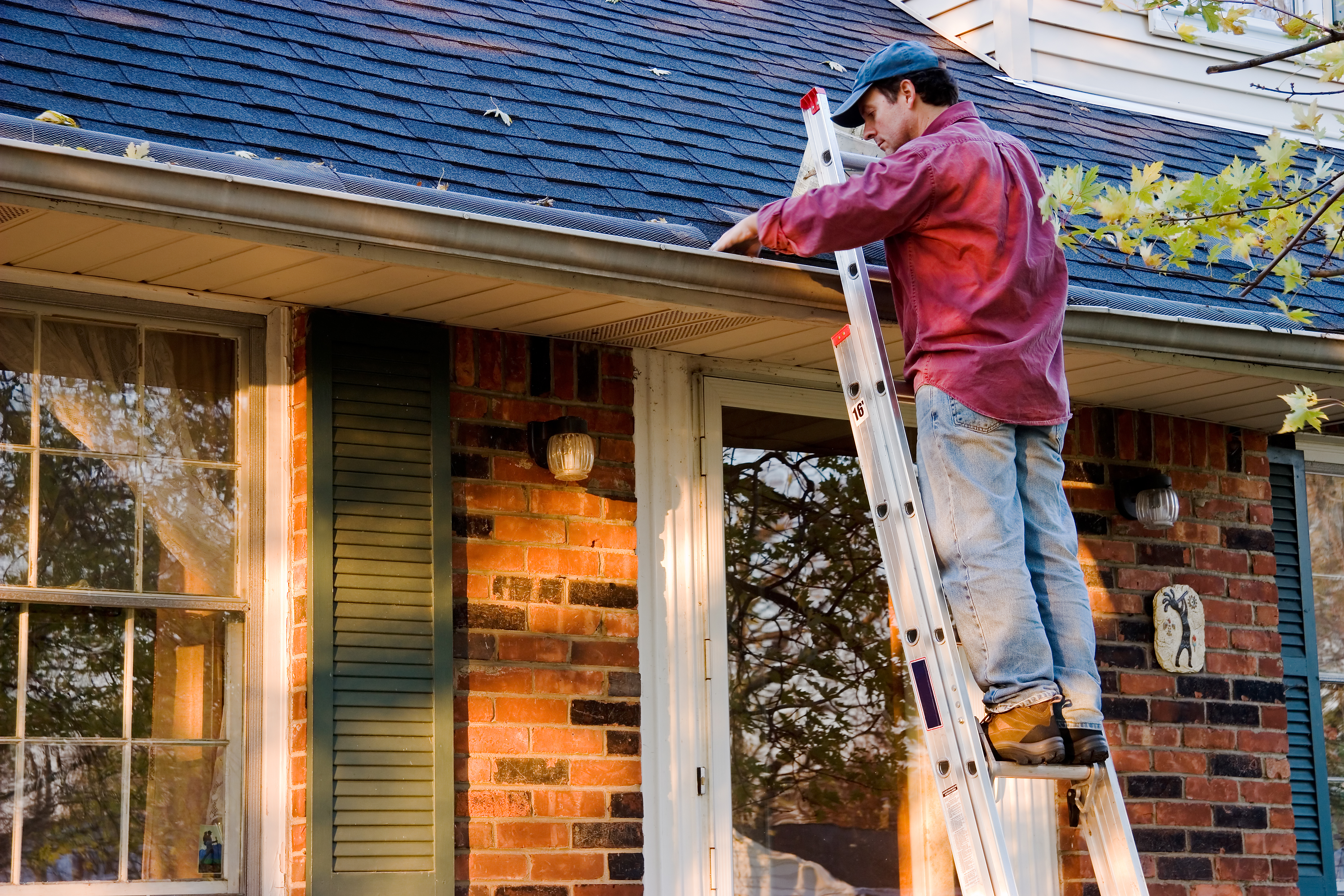
June can feel early for major HOA maintenance planning, but waiting too long can create expensive problems by autumn. In Seattle, summer gives communities a limited window for inspections, repairs, vendor scheduling, landscaping, and exterior maintenance before rain, cooler weather, and fall schedules make projects harder to complete.
At Prime HOA Management WA in Seattle, we help homeowner associations stay ahead of seasonal maintenance so boards can protect budgets, reduce urgent repairs, and keep communities running smoothly.
Why June Maintenance Matters For HOAs
HOA maintenance is easier to manage when boards act before small issues become costly emergencies. June is a smart time to evaluate common areas, building exteriors, drainage systems, landscaping, lighting, parking areas, and shared amenities.
Seattle’s fall weather can bring more moisture, clogged drains, slippery walkways, and delayed exterior work. If maintenance is postponed until problems are visible, the association may have fewer vendor options, higher costs, and less time to make informed decisions.
How Delays Create Budget Pressure
Delayed June maintenance can strain HOA budgets because small repairs often grow when they are ignored. A minor drainage issue can lead to water damage. Overgrown landscaping can create safety concerns. Worn pavement can worsen with seasonal rain. Loose railings, deck concerns, or exterior damage can become more expensive when repairs are pushed too close to fall.
Boards may also face pressure from homeowners when visible issues are not addressed. When maintenance becomes urgent, associations often have less time to gather bids, review contracts, and choose the best solution.
Common Maintenance Tasks To Review In June
A proactive summer maintenance review can help boards identify priorities before autumn. Areas to assess may include:
- Gutters, roofs, downspouts, and drainage systems
- Siding, decks, stairs, railings, and exterior surfaces
- Asphalt, sidewalks, parking lots, and trip hazards
- Landscaping, irrigation, tree trimming, and common green spaces
- Exterior lighting, signage, gates, and safety features
- Pools, clubhouses, fitness rooms, and shared amenities
- Vendor bids for larger fall or winter projects
Reviewing these items early gives the board more control over timing, costs, and communication.
The Vendor Scheduling Problem
Many Seattle-area contractors are busiest during summer and early fall. If an HOA waits until September or October to start collecting bids, the best vendors may already be booked. Weather can also affect exterior repairs, painting, roofing, and landscaping work.
Starting in June gives the association more time to request estimates, compare pricing, review insurance requirements, notify residents, and coordinate access. This planning can help avoid rushed decisions and last-minute repair costs.
Why Preventive Maintenance Protects Reserve Funds
Reserve funds are meant to support long-term community needs, not cover every preventable emergency. When routine maintenance is delayed, boards may need to pull from reserves sooner than expected or consider special assessments for repairs that could have been managed with better timing.
Preventive maintenance helps boards make decisions based on planning instead of panic. It also supports more accurate budgeting because the association can identify upcoming needs before they become urgent.
How HOA Management Helps Boards Stay Ahead
Managing maintenance requires more than noticing a problem. Boards need vendor coordination, documentation, homeowner communication, budget awareness, and follow-through. A professional HOA management partner can help organize repair requests, coordinate bids, communicate updates, and keep maintenance planning aligned with the association’s financial goals.
For Seattle communities, this support can be especially valuable during the summer window when multiple projects, vendors, and resident concerns may need attention at the same time.
Keep Autumn Costs From Overtaking The Budget
June maintenance planning gives HOA boards a stronger position before fall weather and vendor demand increase pressure. By addressing concerns early, communities can reduce surprises, protect property value, and make more confident financial decisions.
If your board needs help planning summer maintenance before autumn costs rise, contact Prime HOA Management WA in Seattle, WA at 1507 Queen Ave N. Ste 202, Seattle, WA 98109, or call (509) 300-0200.

View
Services

Keep
In Touch
© 2026 Prime HOA Management WA. All rights Reserved - Accessibility Statement - Privacy Policy - Sitemap
Powered by
